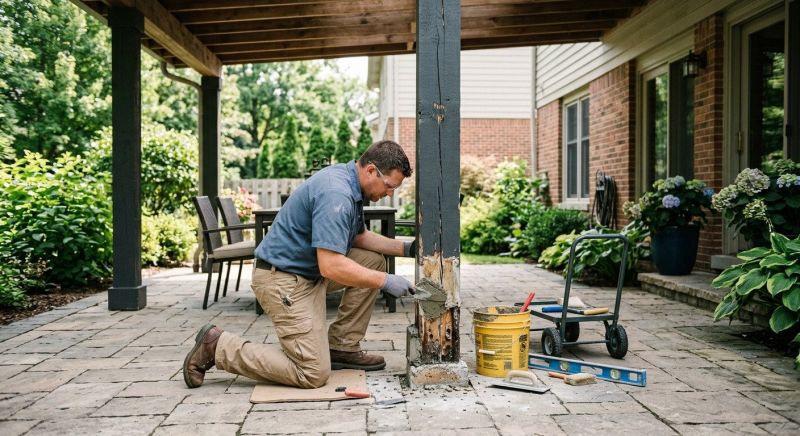
Rotten Column Replacement in Seattle, WA
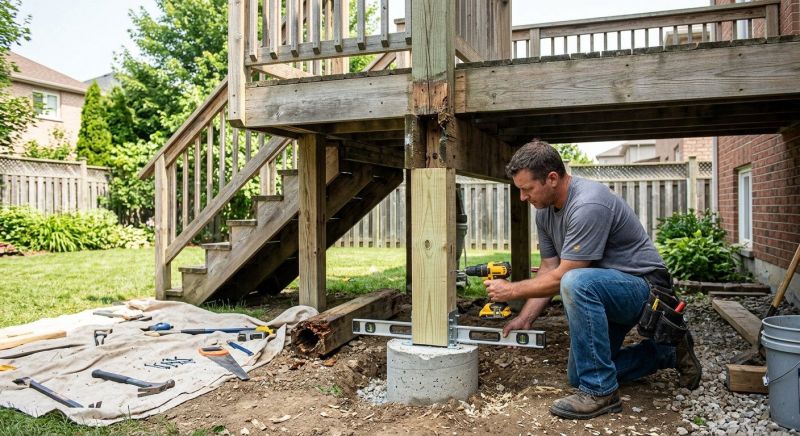
Rotten column replacement services address issues where structural support columns have deteriorated due to decay, rot, or damage. This service is commonly requested for projects involving basement supports, porch columns, or other load-bearing structures that have become compromised over time. Property owners typically want to understand the extent of damage, the materials used for replacement, and how the new columns will restore stability and safety to the property.
Before requesting rotten column replacement, homeowners usually seek information about the signs of deterioration, such as visible rot, cracking, or shifting. They also want to know about the different types of replacement columns available, including wood, steel, or composite options, and how these choices impact longevity and maintenance. Clarifying the scope of work, including whether additional repairs are needed to the surrounding structure, helps ensure the project addresses all underlying issues effectively.
Many property owners in Seattle, WA look into Rotten Column Replacement for repairs, replacements, upgrades, and appearance-related improvements.
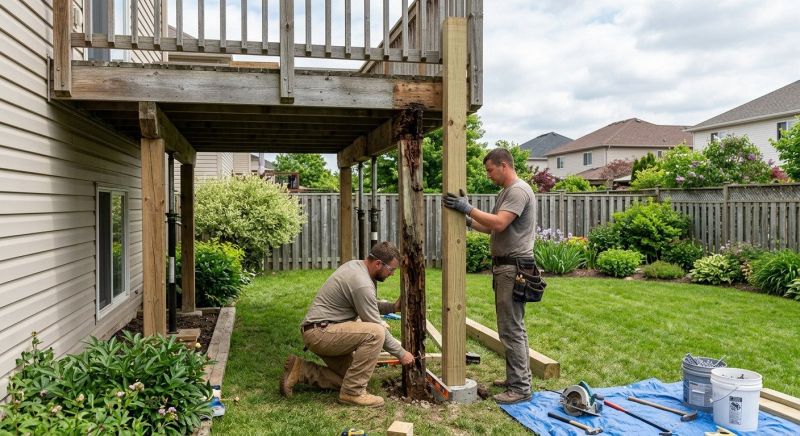
Understanding Rotten Columns
Rotten columns can compromise the structural integrity of residential and commercial buildings in seattle.
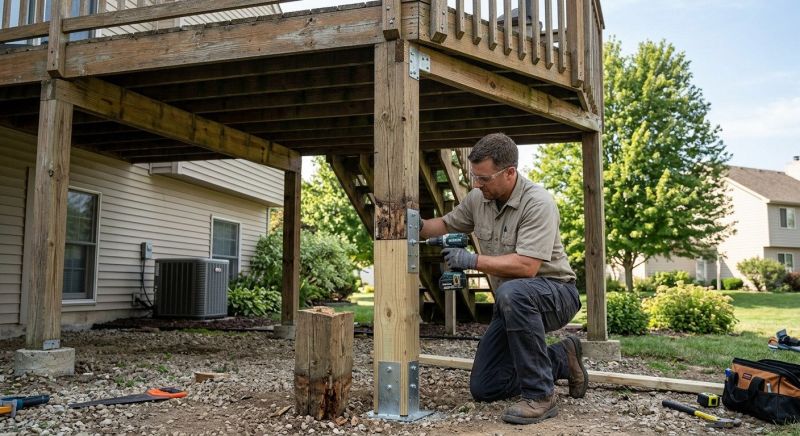
Signs You Need Replacement
Visible decay, cracks, or sagging are common indicators that a column may require replacement.
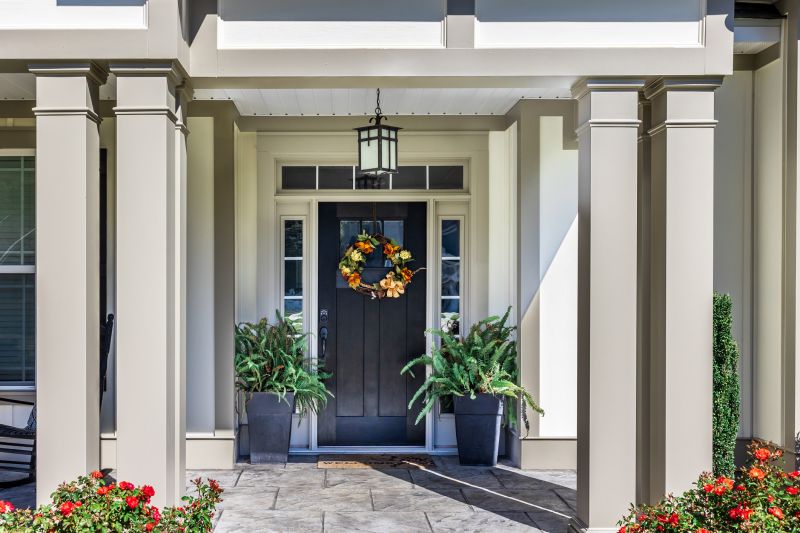
Benefits Of Replacement
Replacing damaged columns helps ensure safety and stability for properties in the seattle area.
Rotten Column Replacement in Seattle, WA
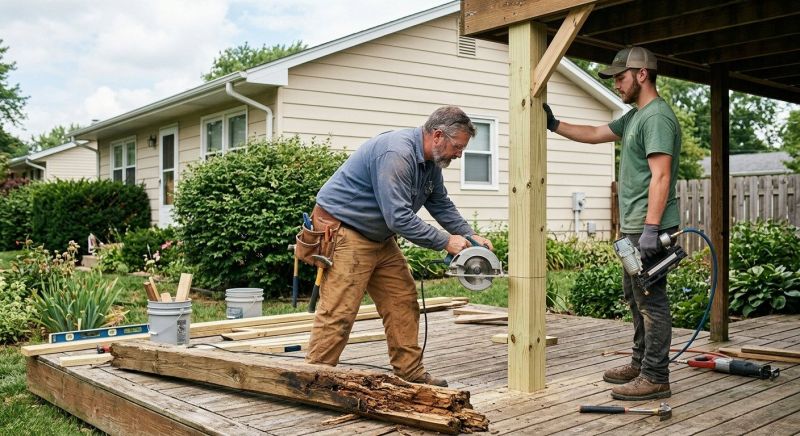
Rotten column replacement services address issues where structural support columns have deteriorated due to decay, rot, or damage. This service is commonly requested for projects involving basement supports, porch columns, or other load-bearing structures that have become compromised over time. Property owners typically want to understand the extent of damage, the materials used for replacement, and how the new columns will restore stability and safety to the property.
Before requesting rotten column replacement, homeowners usually seek information about the signs of deterioration, such as visible rot, cracking, or shifting. They also want to know about the different types of replacement columns available, including wood, steel, or composite options, and how these choices impact longevity and maintenance. Clarifying the scope of work, including whether additional repairs are needed to the surrounding structure, helps ensure the project addresses all underlying issues effectively.
Many property owners in Seattle, WA look into Rotten Column Replacement for repairs, replacements, upgrades, and appearance-related improvements.
Common Rotten Column Replacement Jobs
Rotten Column Replacement - involves removing and replacing deteriorated support columns to ensure structural stability.
Wood Column Replacement - replaces rotted or damaged wooden columns with durable, weather-resistant materials.
Concrete Column Replacement - updates compromised concrete supports to maintain foundation integrity.
Post and Beam Replacement - restores or upgrades aging posts and beams for safety and longevity.
Exterior Column Replacement - replaces damaged columns that support porches, decks, or entryways.
Interior Column Replacement - updates interior support columns to improve space usability and appearance.
Rotten Column Replacement Questions
What causes a column to rot? Rotting columns are typically caused by water infiltration, moisture buildup, or wood decay over time.
How can I tell if a column needs replacement? Signs include visible rot, cracking, leaning, or deterioration of the wood or material.
Is replacement necessary for all rotten columns? Not always; some minor damage can be repaired, but extensive rot usually requires full replacement.
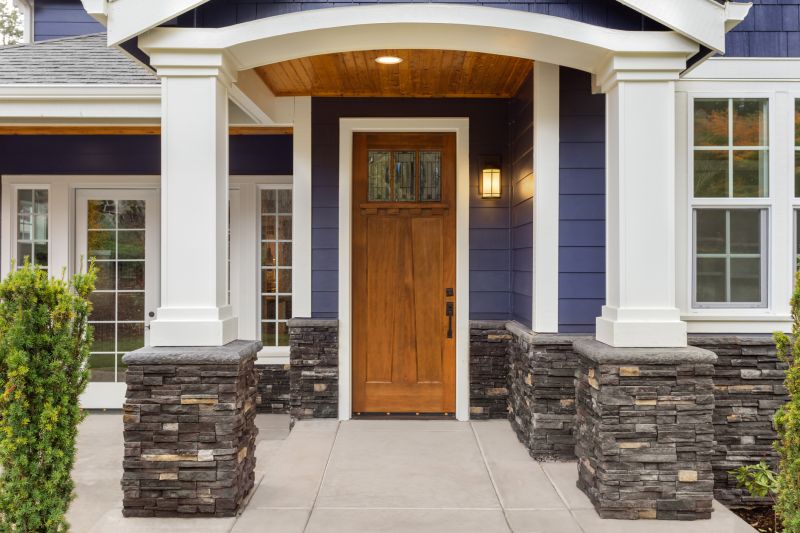
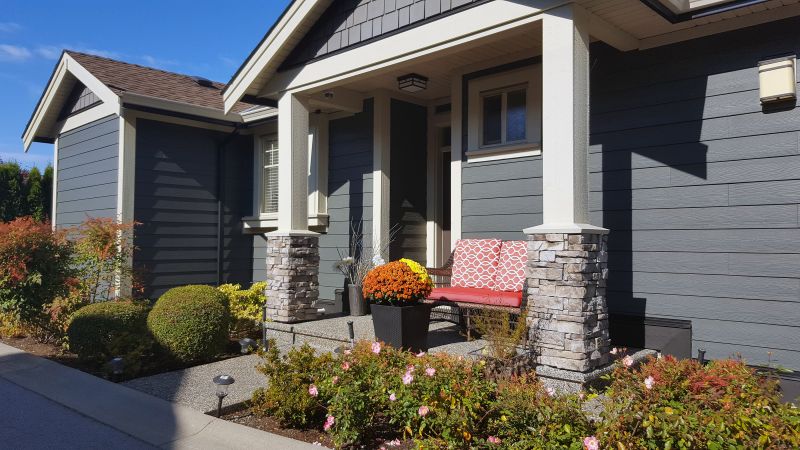
What materials are used for column replacement? Common options include treated wood, composite materials, or decorative stone, depending on the project.
Request Rotten Column Replacement in Seattle, WA
Use the quote form on this page to share the basics of your project and request more information for the type of work you need.